

Back pain can affect almost every part of your day. Sitting at work becomes uncomfortable. Exercise feels harder. Sleeping can become frustrating. Even simple activities like driving, bending, or carrying groceries may trigger pain.
For many people, back pain improves with time. For others, it keeps returning or develops into a chronic problem that affects mobility, work, sleep, and quality of life.
The good news is that research supports several non-surgical approaches for managing certain types of back pain. Chiropractic care, including spinal manipulation, may be one helpful part of a broader, personalized treatment plan.
Why Is Back Pain So Common?
Back pain can develop for many reasons. Common contributing factors may include:
- Muscle tension or strain
- Joint stiffness
- Repetitive movements
- Poor workplace ergonomics
- Long periods of sitting
- Sports injuries
- Lifting injuries
- Limited mobility
- Previous accidents
- Age-related changes
Low back pain is one of the most common musculoskeletal conditions worldwide and a leading cause of disability. However, back pain does not always come from one clearly identifiable injury or structural problem.
That is why a proper evaluation matters. The location of your pain is only one part of the picture. A chiropractor may also evaluate how your spine, hips, pelvis, muscles, and surrounding joints are moving together.
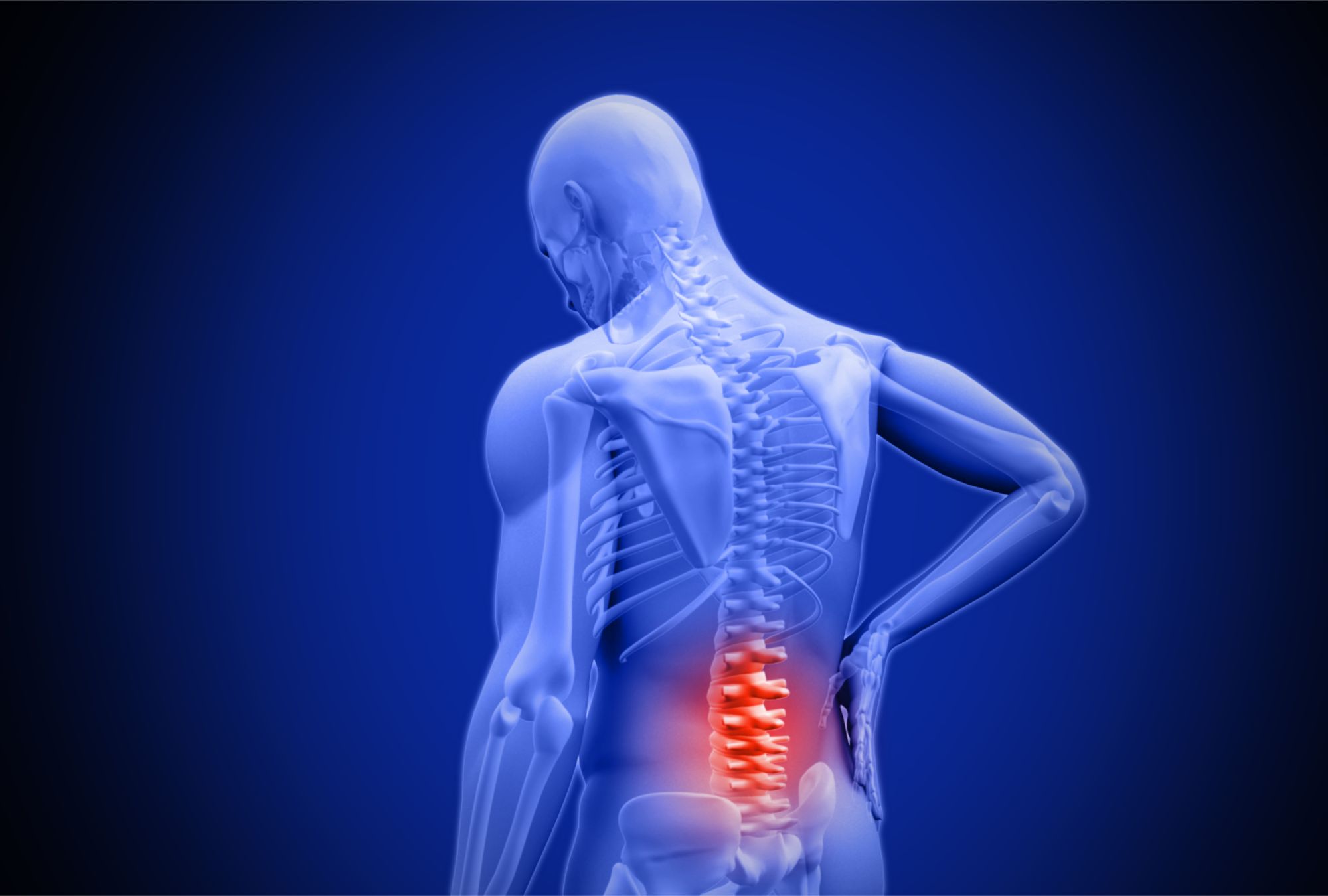
What Does Research Say About Chiropractic Care?
Chiropractic care commonly includes spinal manipulation or mobilization. These hands-on techniques are used to improve joint movement and address musculoskeletal restrictions.
According to the National Center for Complementary and Integrative Health, spinal manipulation may provide small improvements in pain and physical function for some people with acute or chronic low back pain. Physical function includes everyday activities such as standing, walking, sleeping, and completing household tasks.
The American College of Physicians also includes spinal manipulation among the non-drug treatment options that may be considered for acute, subacute, and chronic non-radicular low back pain. Other recommended approaches may include exercise, heat, massage, mindfulness-based stress reduction, yoga, and multidisciplinary rehabilitation.
The World Health Organization takes a similar approach to chronic primary low back pain. Its guidelines emphasize personalized, non-surgical care that may combine education, exercise, physical therapies, psychological support, and other appropriate interventions. Spinal manipulative therapy may be offered as one part of that care, although the recommendation is conditional because the certainty of the available evidence remains limited.
In plain English, chiropractic care is not a guaranteed cure for every type of back pain. Still, research suggests that it may help some patients experience modest improvements in pain, movement, and daily function.
Chiropractic Care Is More Than a Quick Adjustment
A patient-focused chiropractic appointment should begin with an evaluation, not an adjustment.
Your chiropractor should ask questions such as:
- When did the pain begin?
- What movements make it worse?
- Does the pain travel into your leg?
- Have you experienced numbness or weakness?
- Have you had a recent accident or injury?
- How is the pain affecting your work, sleep, or exercise?
The physical evaluation may include checking posture, range of motion, joint mobility, muscle tension, balance, strength, and movement patterns.
Based on those findings, chiropractic care may include a combination of:
Spinal or Joint Adjustments
Adjustments and mobilization techniques may help improve movement in joints that feel stiff or restricted.
Muscle and Soft-Tissue Work
Tight or irritated muscles can contribute to discomfort and limited movement. Soft-tissue techniques, stretching, and muscle work may be used alongside joint care.
Movement and Exercise Guidance
Simple exercises may help improve strength, mobility, coordination, and confidence with movement. Exercise is commonly included in evidence-based care for persistent low back pain.
Posture and Ergonomic Recommendations
Your daily environment matters. Desk height, chair support, driving position, lifting technique, and repetitive work habits may all influence how your back feels.
When Should You Consider Seeing a Chiropractor?
A chiropractic evaluation may be worth considering when back pain:
- Continues to return
- Makes sitting or standing difficult
- Limits exercise or sports performance
- Interferes with work
- Affects your sleep
- Causes stiffness or reduced mobility
- Develops after lifting, repetitive activity, or a minor injury
The right treatment depends on the cause of your symptoms, your overall health, and how the pain affects your daily life.
You should also tell your chiropractor about your medical conditions, medications, surgeries, fractures, osteoporosis, or previous spinal injuries. This information helps determine whether chiropractic treatment is appropriate or whether you should be referred to another healthcare professional.
When Back Pain Requires Emergency Medical Attention
Most back pain is not caused by a medical emergency. However, certain symptoms should not be treated as a routine chiropractic problem.
Seek immediate emergency medical care if back pain is accompanied by:
- New loss of bladder or bowel control
- Difficulty urinating
- Numbness around the buttocks, genitals, or inner thighs
- Severe or rapidly worsening leg weakness
- Back pain following a major accident
- Fever, chills, or unexplained weight loss
- A history of cancer with new or worsening back pain
Bladder or bowel changes, saddle-area numbness, and serious leg weakness may indicate compression of nerves at the lower end of the spine. This is rare, but it requires urgent medical assessment.
The Convenience of Mobile Chiropractic Care
When your back hurts, driving across town and sitting in a waiting room may be the last thing you want to do.
Head To Toe Mobile Chiropractic brings chiropractic care directly to patients throughout Miami-Dade, Broward, and Palm Beach counties. Appointments may take place in homes, workplaces, gyms, hotels, health centers, or other appropriate locations.
Dr. Michael Jefferson combines full-spine and extremity adjusting with muscle and soft-tissue techniques. This makes it possible to evaluate more than the painful area and consider how different parts of the body may be contributing to the problem.
Mobile appointments also allow treatment to take place in an environment where the chiropractor can better understand your everyday setup, including your desk, chair, exercise area, or sleeping environment.
Take the Next Step Toward Moving Better
You do not have to wait until back pain becomes unbearable before having it evaluated.
Chiropractic care may help some patients reduce discomfort, improve movement, and return to normal activities. The best results usually come from an individualized approach that considers your symptoms, movement, lifestyle, and goals.
Head To Toe Mobile Chiropractic serves patients across Miami-Dade, Broward, and Palm Beach counties, bringing personalized care directly to your location.
Call (954) 825-1004 to schedule your mobile chiropractic appointment with Dr. Michael Jefferson.
This article is provided for general educational purposes and is not a substitute for individual medical advice, diagnosis, or emergency care.


